

You’re convinced you have a UTI. You constantly need to pee, yet not a lot comes out. You’re having pelvic pain. And, worst of all, having sex hurts.
You finally go to the doctor’s office. Only you don’t get the answer you were expecting. Your doctor tells you that you have interstitial cystitis, which can closely mimic but is not a urinary tract infection.
Interstitial cystitis? You’ve never heard the term before. You wonder what that even means.
What Is Interstitial Cystitis?
While IC shares a lot of symptoms with a UTI, it is not the same condition. According to the Mayo Clinic, it’s a chronic condition causing bladder pressure, bladder pain and sometimes pelvic pain. Up to 8 million people have it. Most of those are women or those assigned female at birth.
Anyone who has gone through a UTI knows it can be uncomfortable. But knowing the pain will soon ease via antibiotics makes it at least somewhat bearable. Those with IC have it much harder. They have to manage their discomfort indefinitely.
What Causes Interstitial Cystitis?
According to Healthline, IC is caused by a damaged bladder lining. Many things, including bacterial infections, might cause that damage. In fact, painful bladder syndrome is another name for IC. There is also a theory that IC has a genetic component.
How Is Interstitial Cystitis Diagnosed?
Your evaluation for IC can involve ruling out similar conditions, according to the Mayo Clinic. A urine test is performed to determine whether or not there is a UTI. A biopsy and urine cytology, a sample of urine, can test for cancer.
Doctors often ask patients to keep a diary of how many times they are going to the bathroom. This is part of the diagnosis process. You may need to have a cystoscopy, a procedure that fills the bladder with water to see why you have bladder pain.
Interstitial Cystitis Treatment Options
IC treatment can be natural, over-the-counter or involve surgery. Your medical team will create a plan for you after diagnosis. But it can be helpful to know what to expect.
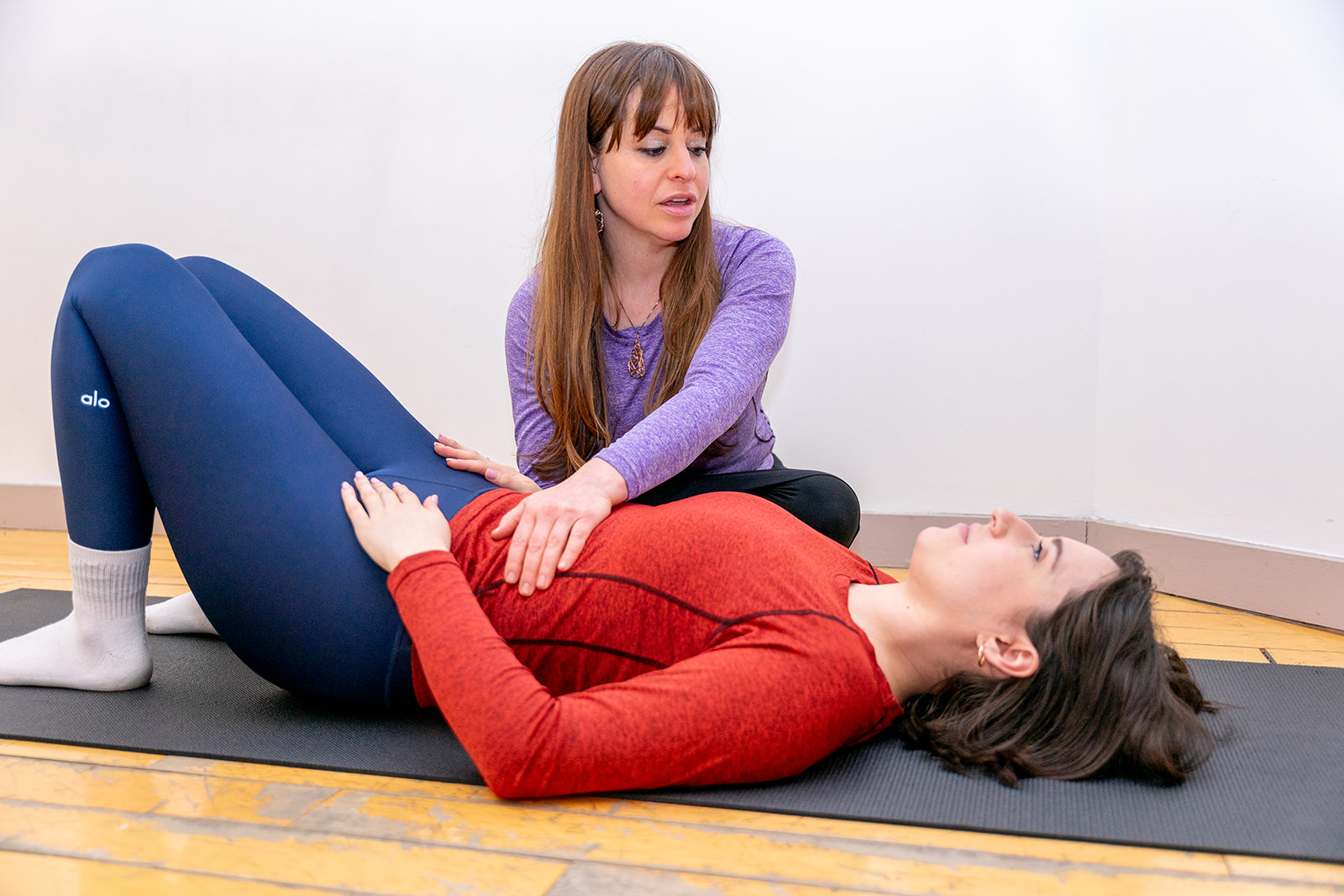
One of the treatments is physical therapy for the pelvic pain. Your physical therapist will work on releasing muscle tightness.
Your doctor may treat your IC with Advil, stress reduction techniques and dietary changes. Wearing looser fitting, less constricting clothing can help too.
Drinking more water (always a good idea) and quitting smoking (also a great idea) may noticeably improve IC. Elmiron is an FDA approved medicine for IC your doctor may recommend.
Surgery, which can enlarge the bladder and resolve bladder ulcers, is infrequently recommended.
Getting Your Life Back
Those first steps, getting a diagnosis and a treatment plan, are vital to managing this condition. They are how you ultimately get your life back. IC can be a very tricky condition. But once you uncover and expose your bladder’s great pretender, it loses so much of its power. And you restore yours.
If your doctor believes you should have physical therapy as part of your IC treatment, please don’t hesitate to reach out to me if you are near any of my locations. I offer free consultations, and we can talk about how I can help you treat your IC.
If you’ve never had pelvic floor physical therapy, I know it can seem overwhelming, scary and even embarrassing. But it can make a huge difference. It would be an honor and a pleasure to help you feel like yourself again.